
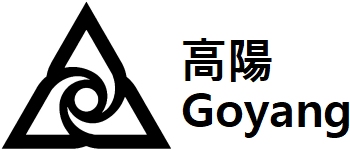
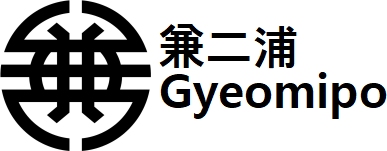
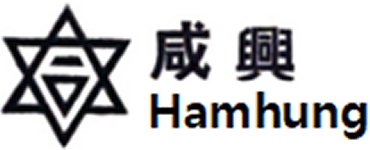
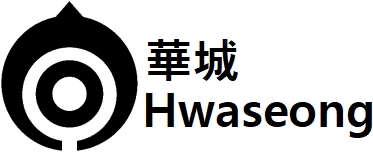
The majority of badges with logos belong to cities, newspapers, sporting associations, railroads, etc.
Korean logos are sometimes the quickest way to identify a badge, medal, fob, coin, postcard, etc.; however, there are limitations. In Western culture and in modern Korea, Logos are primarily associated with companies. The majority of pre-1945 Korean items with logos belong to cities, newspapers, sporting associations, etc., but not companies. During the Japanese occupation of Korea (1910–1945), the development of Korean company logos and brand identity was largely suppressed and heavily influenced by Japanese interests. While Korean companies and brands existed, they operated under a colonial government that controlled everything from publishing technology to the economy.
Following legal reforms in 1912, the number of Korean businesses grew dramatically, though Japanese-owned companies dominated the corporate landscape. Documentation of pre-liberation Korean logos is sparse; some early Korean companies and brands that emerged during this era provide limited insight into the branding landscape. Korean enterprises such as Chong Kun Dang 종근당 (鍾根堂) pharmaceutical and Doosan Corporation have roots that date back to the 1890s. 1 Other early Korean companies, like Monggo Foods 몽고식품 (est. 1905), had distinctive logos, but as far as I can tell, they never issued any badges, fobs, or medals. Even if they had, this early Korean company branding would have reflected the limited design capabilities and colonial conditions of the time.
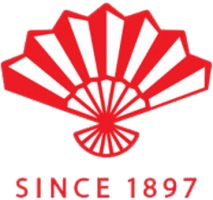
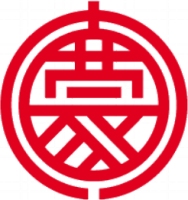
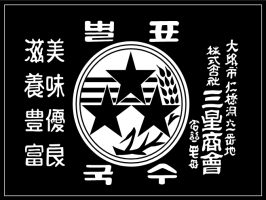
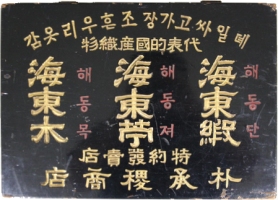
Dong Wha Pharmaceutical logo
In the late 19th century, medicine was unreliable across Korea. Min Byeong Ho 민병호 (閔竝浩, 1858-?) served as a court military officer during the late Chosŏn dynasty. He was able to observe the Western medical techniques used by Horace Newton Allen (호러스 알렌, 1858-1932), who at the time was physician to the royal court. Dr. Allen held a positive view of traditional Korean pharmacopoeia and treatment methods. Min Byeong-ho developed Whal Myung Su, a “life-saving water” 活命水 (활명수), by combining traditional herbal medicines, used mainly by the court, with Western pharmaceutical prescriptions. It is listed in the Guinness World Records as Korea’s oldest branded product. In 1897, he founded Dong Hwa Pharmacy 동화약방 (同和藥房). Today the company is known as Dong Wha Pharmaceutical Co. Ltd. 동화약품주식회사 (同和藥品株式會社), but they still maintain the original 1910 logo. It is a “Buchae” (부채, traditional fan) logo and the first registered trademark in Korea. The company was active in the Korean independence movement.
Korean Railroad Logos (1906-1945)

Used from Sept. 1, 1906, until Dec. 12, 1909
통감부 철도관리국 統監府 鐵道管理局
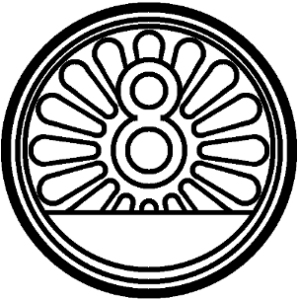
Used from Dec. 16, 1909, until Sept. 30, 1910
철도원 한국철도관리국 鐵道員 韓國鐵道管理局

Used from Oct. 1, 1910, until July 7, 1917
조선총독부 철도국 朝鮮總督府 鐵道局
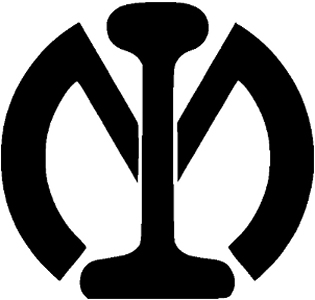
Used from July 31, 1917, until March 3, 1931
만철 경성 관리국 満鐵 京城 管理局

Used from April 1, 1925, until May 31, 1935
조선총독부 철도국 朝鮮總督府 鐵道局

Used from June 1, 1935, until Aug. 15, 1945 선총독부 철도국 朝鮮總督府 鐵道局
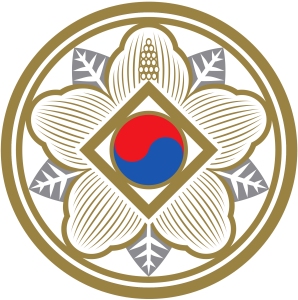
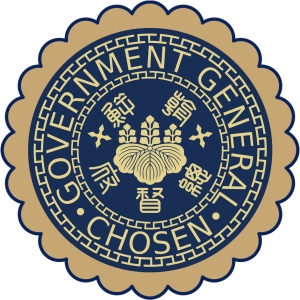
Often thought to be Korean

Seoul City Logos (1918 to Present)
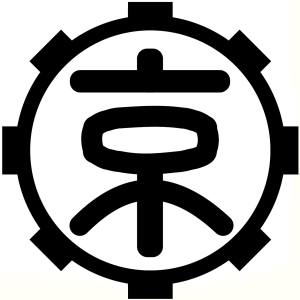
제1기1918년8월10일 제정 (경성부 고시제7호)

(Gyeongseong Ministry)
제2기 1925 년11월제정(경성부)

(Seoul Notice No. 17)
제3기 1947년4월1일 제정(서울시 고시 제17호)

(Seoul Ordinance No. 6207)
제4기 1996년10월 제정(서울시 조례 제6207호)
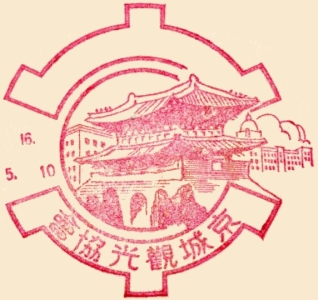
Dated Showa 16.5.10 (May 10, 1941)
Notice the use of the 1925 Logo for Seoul
Incheon City Logos

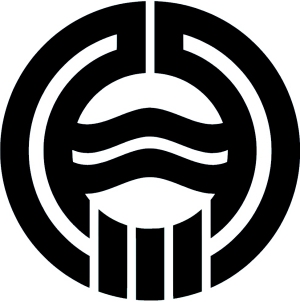
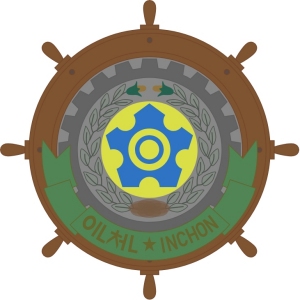

Other City Logos
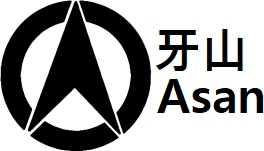
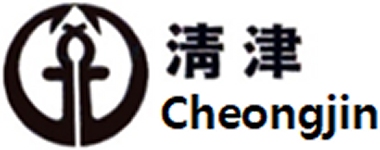
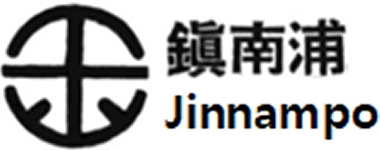

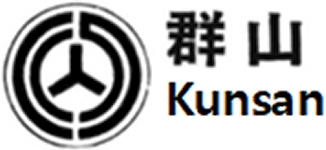
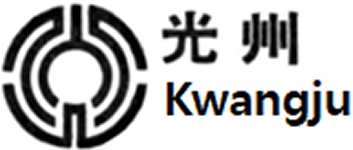
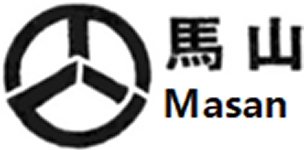





Korean Provinces
During the Japanese occupation of Korea, most of the government entities, primarily cities, had specific logos. Interestingly, Korea provinces did not. From 1413 until 1895, Korea was divided into eight provinces. In 1896, the former eight provinces of Korea were restored, with five of them (Chungcheong, Gyeongsang, Jeolla, Hamgyŏng, and P’yŏngan) being divided into North and South Provinces (Bukdo (북도; 北道) and Namdo (남도; 南道) respectively). The resulting system of thirteen provinces lasted until the Division of Korea in 1945. No historical logos or emblems exist for the provinces of the Chosŏn dynasty (1392–1897). Unlike Korea’s modern administrative divisions that use emblems, the provinces of Chosŏn were historically administrative regions without distinct logos. They were represented by an official who governed the region on behalf of the central government and were not thought of as being separate from the central government.
| Korean Provincial Names | Hangul | Kanji | English |
|---|---|---|---|
| Chungcheongbuk-do | 충청북도 | 忠清北道 | North Chungcheong Province |
| Chungcheongnam-do | 충청남도 | 忠淸南道 | South Chungcheong Province |
| Gyeongsangbuk-do | 경상북도 | 慶尚北道 | NorthGyeongsang Province |
| Gyeongsangnam-do | 경상남도 | 慶尚南道 | South Gyeongsang Province |
| Pyeonganbuk-do | 평안북도 | 平安北道 | North Pyeongan Province |
| Pyeongannam-do | 평안남도 | 平安南道 | South Pyeongan Province |
| Gangwon-do | 강원도 | 江原道 | Gangwon Province |
| Hwanghae-do | 황해도 | 黃海道 | Hwanghae Province |
| Hamgyeongbuk-do | 함경북도 | 咸鏡北道 | North Hamgyeong Province |
| Hamgyeongnam-do | 함경남도 | 咸鏡南道 | South Hamgyeong Province |
| Jeollanam-do | 전라남도 | 全羅南道 | South Jeolla Province |
| Jeollabuk-do | 전라북도 | 全羅北道 | North Jeolla Province |
| Gyeonggi-do | 경기도 | 京畿道 | Gyeonggi Province |